
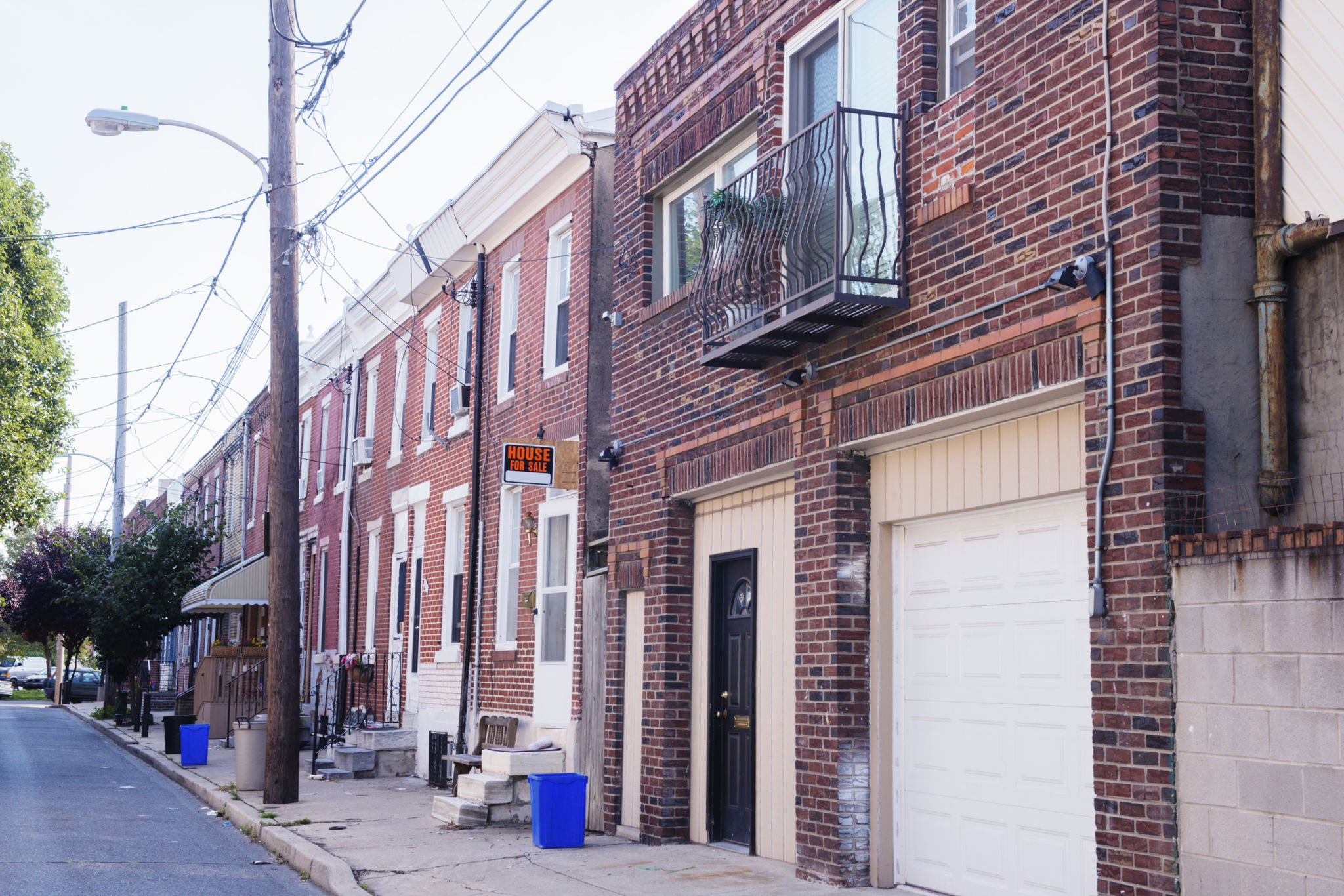
Purchasing your first rental property can be exciting, but a low purchase price or attractive monthly rent does not automatically make a property a good investment.
Philadelphia offers opportunities ranging from single-family rowhomes to duplexes, triplexes, and four-unit properties. However, every neighborhood, property type, and rental strategy comes with different expenses, risks, and financing considerations.
Before making an offer, you should answer two separate questions:
- Will the property qualify for financing?
- Will the property actually produce an acceptable return?
A property can qualify for a mortgage and still be a poor investment. A proper analysis helps you understand the difference.
Step 1: Confirm the Property's Legal Use
Before analyzing rental income, confirm how the property may legally be used.
A building that physically contains two or three units is not necessarily legally approved as a multifamily property. Finished basements, converted garages, and additional kitchens can sometimes indicate that units were added without proper zoning or permits.
Philadelphia's Atlas and Licenses and Inspections property-history tools allow buyers to research:
- Legal use
- Zoning classification
- Permits
- Licenses
- Code violations
- Property assessments
- Zoning appeals
Do not rely only on the listing description. If a property is advertised as a duplex but is legally recognized as a single-family residence, that difference can affect its appraisal, insurance, financing, rental license, and value.
Step 2: Estimate Realistic Rental Income
Start by determining what each unit could realistically rent for in its current condition.
Review comparable rentals with similar:
- Bedrooms and bathrooms
- Square footage
- Property condition
- Location
- Parking availability
- Outdoor space
- Utilities
- Amenities
- Lease terms
Do not base the analysis entirely on what the seller or listing agent says the property "could" rent for. Current leases may be below market, while projected rents may be overly optimistic.
If the property already has tenants, review:
- Current leases
- Rent-payment history
- Security deposits
- Lease expiration dates
- Tenant-paid and owner-paid utilities
- Delinquent balances
- Rental concessions
- Pending landlord-tenant matters
Your expected rent should be supported by actual market evidence. The rent an appraiser or lender uses may differ from your projection.
Step 3: Account for Vacancy
A rental property will not necessarily remain fully occupied and fully collected every month.
Vacancy includes more than an empty unit. It can also include:
- Missed or late rent
- Time between tenants
- Leasing concessions
- Eviction-related losses
- Unit turnover
- Time needed to complete repairs
Even when a property is currently occupied, include a reasonable vacancy and collection-loss assumption in your analysis. The correct percentage will depend on the property, tenants, neighborhood, and rental strategy.
Step 4: Identify All Operating Expenses
A common first-time-investor mistake is subtracting only the mortgage payment from the rent. That calculation ignores many of the costs of operating the property.
Your analysis should consider:
- Real-estate taxes
- Property insurance
- Flood insurance, if required
- Water and sewer charges
- Owner-paid gas or electricity
- Repairs and maintenance
- Capital expenditures
- Property management
- Rental licensing
- Lead inspections and certifications
- Landscaping or snow removal
- Pest control
- Trash expenses, when applicable
- Accounting and legal costs
- HOA or condominium fees
- Vacancy and collection loss
Philadelphia currently lists its Real Estate Tax rate as 1.3998% of the property's assessed value. Verify the actual assessment, tax balance, and current rate rather than estimating taxes solely from the purchase price.
Also remember that an owner-occupied property may currently receive a Homestead Exemption. If you purchase it strictly as an investment property, you should not assume that an owner-occupant tax benefit will continue.
Step 5: Budget for Repairs and Capital Expenditures
Repairs and capital expenditures should be treated as separate categories.
Routine repairs may include:
- Plumbing leaks
- Appliance repairs
- Broken locks
- Minor electrical work
- Painting and patching
- General maintenance
Capital expenditures are larger replacements that occur less frequently, such as:
- Roof replacement
- Heating-system replacement
- Electrical upgrades
- Sewer-line repairs
- Window replacement
- Major masonry work
- Kitchen or bathroom replacement
Philadelphia has a large supply of older rowhomes. Even a property that appears well maintained may have aging plumbing, electrical systems, roofs, masonry, sewer lines, or environmental concerns.
A professional inspection is important, but investors should also consider obtaining specialized evaluations when conditions justify them. These may include sewer-scope inspections, roof inspections, structural evaluations, or estimates from licensed contractors.
Step 6: Calculate Net Operating Income
Net Operating Income, or NOI, shows how much income the property produces before mortgage payments and income taxes.
A simplified calculation is:
- Gross Rental Income
- – Vacancy and Collection Loss
- – Operating Expenses
- = Net Operating Income
Mortgage principal and interest are not included when calculating NOI. Financing is evaluated separately.
Example: Assume a Philadelphia duplex produces the following:
- Unit 1 rent: $1,500 per month
- Unit 2 rent: $1,500 per month
- Total annual rent: $36,000
If you assume $1,800 for vacancy and collection loss, the effective annual income becomes $34,200.
Now assume annual operating expenses of:
- Real-estate taxes: $3,500
- Insurance: $2,000
- Water and common utilities: $1,500
- Repairs and maintenance: $2,400
- Capital-expenditure reserve: $2,400
- Licensing, lead compliance, and miscellaneous costs: $800
Total estimated operating expenses: $12,600.
$34,200 effective income – $12,600 operating expenses = $21,600 NOI
This is only an illustration. Actual expenses must be researched for the specific property.
Step 7: Calculate the Capitalization Rate
Capitalization rate, or cap rate, compares the property's NOI with its purchase price or value.
Cap Rate = NOI ÷ Purchase Price
Using the example above, if the property costs $250,000:
$21,600 ÷ $250,000 = 8.64%
Cap rate is helpful when comparing similar properties, but it does not tell the entire story. It does not account for mortgage terms, closing costs, renovation expenses, or the investor's actual cash invested.
A higher cap rate may indicate a stronger income opportunity, but it can also reflect greater property, tenant, or neighborhood risk.
Step 8: Estimate the Mortgage and Cash Flow
After calculating NOI, evaluate the proposed financing. Consider:
- Down payment
- Interest rate
- Loan term
- Principal and interest
- Property taxes
- Insurance
- Mortgage insurance, if applicable
- Required reserves
- Lender fees
- Prepayment penalties
- Initial repair requirements
A simplified cash-flow calculation is:
NOI – Annual Debt Service = Before-Tax Cash Flow
If the duplex in our example has $21,600 in NOI and annual principal-and-interest payments of $16,800:
$21,600 – $16,800 = $4,800 annual cash flow
That equals approximately $400 per month before income taxes and unexpected expenses.
This is why you should never judge a rental property based only on gross rent. A property producing $3,000 per month in rent does not provide $3,000 per month in profit.
Step 9: Calculate Cash-on-Cash Return
Cash-on-cash return measures the annual cash flow relative to the amount of cash you invested.
Cash-on-Cash Return = Annual Before-Tax Cash Flow ÷ Total Cash Invested
Your total cash investment may include:
- Down payment
- Closing costs
- Initial repairs
- Inspection and appraisal expenses
- Upfront reserves
- Utility deposits
- Leasing and turnover expenses
If you invest $65,000 and receive $4,800 in annual cash flow:
$4,800 ÷ $65,000 = 7.38% cash-on-cash return
This calculation helps compare the property with other potential investments, but it should not be your only decision-making tool.
Step 10: Include Philadelphia Closing Costs
Your acquisition cost is more than the down payment.
Philadelphia currently imposes a combined City and Commonwealth Realty Transfer Tax of 4.578% of the sale price or assessed value, plus applicable assumed debt. The tax is commonly divided between buyer and seller, but an equal split is not legally required. The purchase agreement determines how it will be allocated.
Additional closing expenses may include:
- Lender fees
- Appraisal
- Inspections
- Title insurance
- Title and settlement charges
- Recording fees
- Escrow deposits
- Prepaid interest
- Initial insurance premium
- Tax adjustments
- Attorney or professional fees
Request a transaction-specific estimate before making your final decision.
Step 11: Understand Philadelphia's Landlord Requirements
Philadelphia landlords generally need a Rental License for properties rented to tenants. Licensing can also require tax compliance, property documentation, lead certification, and resolution of certain code violations.
Philadelphia also requires rental properties to be certified as lead-safe or lead-free, unless a valid exemption applies. This requirement can affect the ability to obtain or renew a Rental License or execute a new or renewed lease.
Requirements are different for short-term rentals. Do not assume that a property may legally be operated through Airbnb or another short-term-rental platform. Zoning, licensing, and primary-residence rules may apply.
Step 12: Stress-Test the Investment
Your original projections will rarely happen exactly as planned. A good analysis should include more than one scenario.
Consider testing:
- Rent that is 5% or 10% lower than expected
- A one- or two-month vacancy
- Higher insurance premiums
- Increased property taxes
- An emergency repair
- A higher interest rate
- A delayed renovation
- Higher property-management expenses
You should understand what happens if the property performs below expectations.
If one repair or one month of vacancy eliminates the entire year's profit, the investment may be too fragile.
Special Consideration for House Hacking
A first-time investor may purchase a duplex, triplex, or four-unit property, live in one unit, and rent the others. This strategy is commonly called house hacking.
Owner-occupied financing may provide different down-payment and qualification options than financing for a non-owner-occupied investment property. However, the borrower must genuinely intend to occupy the property as a primary residence and comply with the applicable loan requirements.
When analyzing a house hack, determine:
- The mortgage payment before rental income
- The qualifying rental income permitted by the loan program
- The rent expected from the other units
- The amount you will personally contribute each month
- Whether you can afford the property during a vacancy
- Whether the property's legal use matches its unit count
House hacking can lower an owner's housing expense, but it also makes the owner responsible for managing tenants while living at the property.
The Bottom Line
A strong rental-property analysis goes beyond asking whether the monthly rent will cover the mortgage.
Before purchasing your first Philadelphia rental property, confirm:
- The property's legal use
- Realistic market rent
- Existing lease terms
- Taxes and insurance
- Rental licensing and lead requirements
- Repairs and capital expenditures
- Net operating income
- Financing costs
- Cash flow
- Cash-on-cash return
- Closing costs
- Emergency reserves
The goal is not simply to buy a property. The goal is to purchase an asset that fits your finances, investment strategy, and tolerance for risk.
If you are considering a Philadelphia rental property, I can help you review the financing, estimated monthly payment, rental-income assumptions, and debt-service coverage before you submit an offer.
Dante' T. Banks
Mortgage Loan Originator · NMLS #2768646
This article is for educational purposes only and does not constitute legal, tax, investment, or financial advice. Loan programs, interest rates, licensing requirements, tax rates, and underwriting guidelines are subject to change. Buyers should consult appropriate mortgage, legal, tax, insurance, inspection, and real-estate professionals before completing a transaction.